
Hats come in nine main families in English: casual caps, formal hats, sun and straw hats, winter hats, women’s fashion hats, traditional hats from around the world, occupation and uniform hats, and historical or costume hats. Each style has its own shape and its own place in a wardrobe or a culture, from a Baltimore Orioles baseball cap to a Peruvian chullo.
The nine main families of hats are casual caps (baseball cap, bucket hat, snapback), formal hats (top hat, fedora, bowler), sun and straw hats (Panama, boater, sun hat), winter hats (beanie, ushanka, trapper), women’s fashion hats (cloche, pillbox, fascinator), traditional hats from around the world (sombrero, fez, turban, kufi), occupation and uniform hats (chef’s hat, military cap), and historical or costume hats (deerstalker, Santa hat, mortarboard).
Common Types of Hats With Pictures
Each family is defined by the purpose or setting the hat is worn in. Casual, formal, and sun and straw are the three most common in a daily wardrobe. The other six are winter hats, women’s fashion, traditional hats from around the world, occupation and uniform, and historical or costume hats.
Casual Hat and Cap Names
Casual hats are the everyday caps worn with jeans, sportswear, and streetwear.
Baseball Cap:

rounded cap with a stiff curved brim in front and an adjustable strap or elastic at the back. It started as sportswear for American baseball players in the 1860s and is now the most-worn hat style in the world.
Trucker Cap:baseball cap with a foam front panel and a mesh back for airflow. American feed and trucking companies gave these away as free promotional gifts in the 1970s, and streetwear brands revived them decades later.
Snapback:flat-brimmed baseball cap with a plastic snap closure at the back. The flat brim and adjustable snap made it iconic in hip-hop and sports fandom from the 1990s on.
Dad Hat: unstructured baseball cap with a soft crown and a pre-worn curved brim, cut lower on the head than a structured baseball cap. The name captures the relaxed weekend style of American dads at the park.
Bucket Hat:
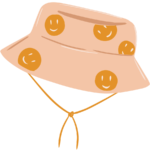
soft round hat with a brim sloping down all the way around, made from cotton, denim, or nylon. It was originally an Irish fisherman’s hat, and hip-hop and 2020s streetwear brought it back into mainstream fashion.
Flat Cap:
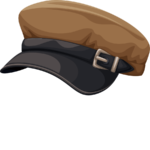
rounded wool or tweed cap with a small stiff brim, a classic British working-class style since the 1800s. It was once the standard working man’s hat across northern England, Ireland, and Scotland and is now smart-casual streetwear worldwide.
Newsboy Cap:
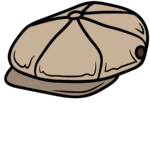
rounded eight-panel cap with a fuller crown than a flat cap and a small snap at the front brim. The name comes from the newspaper delivery boys of London and New York around 1900, who wore these caps as part of their standard outfit.
Ivy Cap: slimmer lower-profile cousin of the flat cap. It was popular in mid-20th-century American Ivy League fashion and is now the go-to cap for a smart-casual jacket-and-trousers look in Northeastern cities.
Visor:

brim strapped around the head with no crown on top, worn to shade the eyes and keep the hair off the face. Golf, tennis, and running players wear one when a full cap traps too much heat.
Formal Hat Types in English
Formal hats are the felt, straw, and silk hats worn with a suit at weddings, state occasions, and races.
Top Hat:

tall cylindrical formal hat with a flat crown and narrow brim, made from silk or beaver felt. It is worn at black-tie weddings, state occasions, and the royal enclosure at Ascot, and its silhouette is the classic marker of Victorian and Edwardian elegance.
Homburg:

stiff felt hat with a curled brim and a single lengthwise crease on the crown. Edward VII made it popular in Britain after buying his first one in the German spa town of Bad Homburg, and the name stuck.
Bowler:

hard round felt hat with a curled brim and a shape traditionally associated with English gentlemen. It was invented in 1849 by Thomas and William Bowler in London, and American English calls the same hat a “derby” after the Kentucky Derby race.
Fedora:

soft felt hat with a pinched crown, a lengthwise crease, and a 2 to 3 inch brim. The name comes from Victorien Sardou’s 1882 play Fédora, and the hat became iconic in 1940s film noir.
Trilby:

soft felt hat like a shorter fedora, with a narrow brim that snaps down at the front and up at the back. Named after the heroine of du Maurier’s 1894 novel Trilby.
Pork Pie:

low round felt hat with a flat top and a small upturned brim. Buster Keaton wore one in the silent film era, and Bryan Cranston’s Walter White brought it back in Breaking Bad.
Boater: stiff flat-topped straw hat with a narrow brim and a coloured ribbon band. It is a summer-formal hat, worn at Henley Regatta, cricket matches, garden parties, and by barbershop quartets across the English-speaking world.
Sun and Straw Hat Types
Sun and straw hats are the wide-brimmed lightweight hats worn to shade the face and shoulders in warm weather.
Panama Hat:

fine straw hat with a wide brim and a pinched crown, hand-woven in Ecuador from toquilla palm. The name is misleading: the hats are Ecuadorian, but American workers on the Panama Canal bought them in bulk from Panama, and the name stuck.
Straw Hat: general term for any lightweight summer hat woven from straw, wheat, or palm fibre. Panamas, boaters, sun hats, and every fieldworker’s hat around the world all count as straw hats under this umbrella name.
Sun Hat:
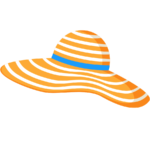
wide-brimmed hat in straw or fabric for shading the face and shoulders in summer. Floppy versions pack flat into a beach bag, while structured wide-brim versions keep their shape all day at outdoor weddings and garden events.
Wide-Brim Hat: felt or straw hat with a brim 4 inches or wider all the way around. It is both a serious sun shield and a statement fashion piece, worn at horse races, garden parties, and beach holidays across every climate.
Safari Hat: wide-brimmed canvas or leather hat with a chin cord and a stiff crown. It is worn on African game drives, Australian sheep stations, and long outdoor treks, where the brim shades the neck as much as the face.
Boonie Hat:
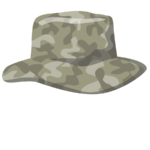
soft floppy wide-brimmed cotton hat with a chin cord that ties under the neck. American soldiers adopted the design from Australian bush hats during the Vietnam War, and it is now standard hiking and hunting wear.
Winter Hat Names With Pictures
Winter hats are the knitted, fur, and lined hats worn to keep the head and ears warm in cold weather.
Beanie:

close-fitting knitted or woven cap without a brim, worn snugly over the ears for warmth from autumn through winter. Modern styles run from tight cuffed shapes to loose slouchy fits and pompom-topped bobble hats.
Toque: the Canadian and Northern English word for a beanie. In French cooking vocabulary, a toque is also the tall pleated white chef’s hat, so the meaning depends on context.
Ushanka: Russian fur hat with warm ear flaps that tie up on top or down under the chin. The name comes from ushi, the Russian word for ears, and Soviet Red Army soldiers made it famous during the winter fighting of World War II.
Cossack Hat:

tall cylindrical fur hat without ear flaps, worn traditionally by the Cossacks, warrior horsemen of the Russian and Ukrainian steppes. Today the hat is worn in ceremonial military uniforms and formal winter wear across Eastern Europe.
Trapper Hat: Canadian and American winter hat with a soft crown, fur-lined ear flaps, and a visor at the front. The design is based on the Russian ushanka but adapted for hunting and cold-weather work in North America.
Bomber Hat: aviator-style winter hat with fleece or fur lining, ear flaps, and a chin strap. It was developed for World War I open-cockpit pilots and named after the bomber pilots who wore it in World War II.
Chullo: knitted wool hat with ear flaps and a pointed top, hand-made in the Andes of Peru and Bolivia. Traditional chullos are woven from alpaca, llama, or sheep’s wool and decorated with bright geometric patterns.
Balaclava:

close-fitting head-and-neck covering with holes only for the eyes and mouth. It was named after the 1854 Battle of Balaclava in the Crimean War, where British soldiers wore it against bitter winter cold.
Women’s Fashion Hat Types
Women’s fashion hats are the decorative and formal hats worn at weddings, races, tea parties, and social events.
Cloche:

close-fitting bell-shaped felt hat that hugs the head, the iconic women’s hat of the 1920s flapper era. Its name comes from the French word for a bell, and its narrow shape was designed for the era’s short bob haircuts.
Pillbox:
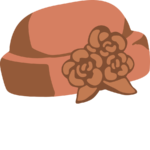
small round flat-crowned hat perched on the head. Jacqueline Kennedy wore a beige one at John F. Kennedy’s 1961 presidential inauguration, and the hat became instantly fashionable across America.
Fascinator:

small decorative headpiece with feathers, flowers, or netting attached to a headband or comb. It is standard formal wear at British weddings and Royal Ascot, and it is a fixture of the royal family’s public appearances.
Bonnet: soft round hat tied under the chin with ribbons. Victorian women wore bonnets outdoors, babies wear them for warmth today, and Amish and Mennonite women still wear them as part of traditional dress.
Cartwheel Hat: dramatic wide-brimmed hat around a foot across with a low crown, shaped like a cartwheel viewed from above. It is a statement piece at garden parties, outdoor weddings, and every summer race meeting.
Halo Hat: small brimless hat worn tilted back on the head like a halo behind a saint. The style was popular in 1930s and 1940s Hollywood glamour and turned every dressed-up look into an old-Hollywood scene.
Traditional Hat Types From Around the World
Traditional hats are the regional headwear tied to a country, culture, or faith.
Sombrero:
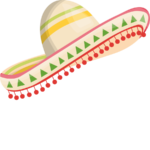
wide-brimmed Mexican hat with a high pointed crown, embroidered decoration, and a chin cord. Charros (Mexican horsemen) wear them for work, and they appear at Mexican independence-day celebrations and mariachi performances.
Fez:
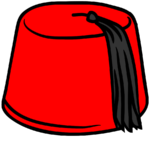
short truncated red felt cone with a black tassel on top. The hat takes its name from Fes in Morocco and was worn traditionally across North Africa, the Middle East, and the former Ottoman Empire.
Turban: long cloth wound around the head in dozens of regional styles. Sikh men in India wear one every day as a religious duty, Muslim men across the Middle East and South Asia wear regional versions, and Hindu holy men wear turbans as a mark of devotion.
Kufi:

short rounded brimless cap worn by Muslim men across Africa, South Asia, and the Middle East. West African kufis are traditionally decorated with embroidered kente cloth patterns.
Zucchetto:
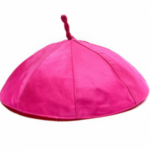
small round skullcap worn by Catholic clergy. The colour signals rank: white for the Pope, red for cardinals, purple for bishops, and black for priests.
Kippah:

small round skullcap worn by observant Jewish men as a sign of respect for God, kept on the head throughout the day. It is also called a yarmulke in Yiddish, and different Jewish communities wear different styles, colours, and materials.
Conical Hat: wide cone-shaped hat woven from bamboo, palm leaves, or straw. It is worn across Vietnam (nón lá), China, and other rice-growing countries of East and Southeast Asia as sun protection during field work.
Tam O’Shanter: flat round Scottish woollen bonnet with a pompom on top. The hat takes its name from the hero of Robert Burns’s 1791 poem Tam O’Shanter, in which a farmer wears one home from the pub.
Tyrolean Hat: felt Austrian hat with a narrow brim, a corded band, and a decorative feather in the side. It is worn traditionally in the Alps of Austria, Bavaria, and Northern Italy, especially at Oktoberfest and mountain festivals.
Pith Helmet:

lightweight tropical helmet made of cork or pith and covered in cloth. British colonial officers, plantation owners, and 19th-century African explorers wore them for sun protection in India, Africa, and Southeast Asia.
Occupation and Uniform Hat Names
Occupation and uniform hats are the professional headwear worn in the kitchen, on the ward, in the military, and on the job.
Chef’s Hat:

tall white pleated hat worn in professional kitchens. It is also called a toque, and the number of pleats traditionally marked the head chef’s rank.
Military Cap:

general term for uniform caps worn by armed forces. Common styles are the flat-topped peaked cap of officers, the beret of paratroopers and special forces, and the garrison cap of soldiers on daily duty.
Nurse’s Cap: small white folded or pleated cap worn by nurses in the 19th and 20th centuries as part of the hospital uniform. The cap has largely been retired from daily use since the 1980s but is still worn at nursing school graduation ceremonies.
Sailor Cap: round brimless white cotton cap worn by junior enlisted sailors. American sailors call it a Dixie cup for its resemblance to the paper drinking cup of the same name.
Beekeeper’s Hat:
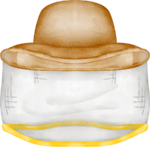
wide-brimmed hat with a mesh veil that drapes to the shoulders and tucks into a bee suit. The veil keeps bees away from the face and neck during hive work.
Riding Hat:
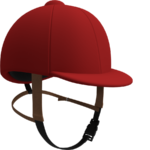
hard equestrian helmet with a shell and a chin strap, designed to absorb impact in a fall. Riders wear one for safety at every level, from beginner lessons to Olympic showjumping, dressage, and cross-country events.
Historical and Costume Hat Types
Historical and costume hats are the hats you meet in old paintings, period drama, and Halloween shops.
Mortarboard:

flat square academic cap with a tassel. It is worn at high school and university graduation ceremonies around the English-speaking world and is also called a graduation cap.
Deerstalker:
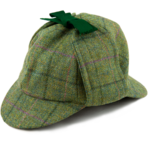
tweed hunting hat with a front and rear brim and two flaps that tie under the chin. Sir Arthur Conan Doyle’s illustrator Sidney Paget drew Sherlock Holmes wearing one, and the hat became forever attached to the detective.
Phrygian Cap:
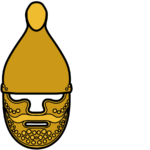
soft red cone-shaped cap with the tip flopping forward. It became a symbol of freedom in ancient Rome, and both the French and American revolutions revived it as an emblem of the free citizen.
Santa Hat:

red hat with white fur trim and a soft cone-shaped crown that ends in a white pom-pom at the tip. Santa Claus wears one in every modern illustration, and it turns up on children, adults, and pets at Christmas parties around the world.
Witch Hat: tall pointed black cone with a wide floppy brim, the standard witch’s hat in Halloween costumes, fairy tales, and children’s books. The shape traces back to medieval and early-modern European illustrations of witches.
Wizard Hat: tall pointed cone decorated with stars, moons, and celestial patterns, and taller than a witch hat with a narrower brim. Merlin, Gandalf, Dumbledore, and Mickey Mouse in Fantasia all wear versions of the same hat.
Jester’s Hat: multi-pointed floppy cap with three or more horns tipped with bells that jingle as the wearer moves. Medieval court jesters wore one for comic effect, and modern circus clowns and Renaissance-fair performers still do.
Party Hat: small cone-shaped paper hat in bright colours with a thin chin elastic, decorated with dots, stripes, or foil patterns. It is a fixture of children’s birthday parties and New Year’s Eve celebrations across most of the world.
Nightcap: soft cloth cap worn to bed in the days before central heating, to keep the head warm through the night. The nightcap is mostly obsolete now but still turns up in period drama and Christmas illustrations.
Hats That Look Similar
Some hats look almost identical, and telling them apart is the sign of confident vocabulary.
Fedora vs Trilby
| Term | Brim | Shape |
|---|---|---|
| Fedora | Wider (2 to 3 inches) | Symmetrical brim, wide crown |
| Trilby | Narrower (1 to 2 inches) | Front snaps down, back curls up |
Both are soft felt hats with a pinched crown. The trilby is the shorter-brimmed cousin.
Bowler vs Derby
| Term | Region | Same hat? |
|---|---|---|
| Bowler | British English | Yes |
| Derby | American English | Yes |
Two names for the same hat: hard round felt crown with a curled brim. British gentlemen call it a bowler; Americans call it a derby.
Beanie vs Toque
| Term | Region | Meaning |
|---|---|---|
| Beanie | American and British English | Close-fitting knitted winter cap |
| Toque | Canadian and Northern English | Same knitted winter cap; also the tall white chef’s hat |
Every toque is a beanie, but not every beanie is a toque outside Canada.
Baseball Cap vs Trucker vs Snapback vs Dad Hat
| Term | Front panel | Back closure | Feel |
|---|---|---|---|
| Baseball Cap | Fabric | Fabric or plastic snap | Structured, curved brim |
| Trucker Cap | Foam | Mesh | Flat or curved brim |
| Snapback | Fabric or embroidered | Plastic snap | Flat brim, hip-hop origin |
| Dad Hat | Soft fabric | Adjustable strap | Unstructured, pre-worn feel |
Flat Cap vs Newsboy vs Ivy Cap
| Term | Crown | Look |
|---|---|---|
| Flat Cap | One flat piece | Small stiff brim, low profile |
| Newsboy Cap | Eight panels stitched together | Fuller rounder crown, snap at the brim |
| Ivy Cap | Slimmer version of the flat cap | Lower narrower profile |
FAQs
Q1. What are the main types of hats?
The main types of hats are casual caps (baseball cap, bucket hat, flat cap), formal hats (top hat, fedora, bowler), sun and straw hats (Panama, boater, sun hat), winter hats (beanie, ushanka, trapper), women’s fashion hats (cloche, pillbox, fascinator), traditional hats from around the world (sombrero, fez, turban), occupation hats (chef’s hat, military cap), and historical or costume hats (Sherlock’s deerstalker, Santa hat).
Q2. What is the difference between a fedora and a trilby?
A fedora has a wider brim (2 to 3 inches) with a symmetrical curve, while a trilby has a narrower shorter brim (1 to 2 inches) that snaps down at the front and curls up at the back. Both are soft felt hats with a pinched crown. The trilby is essentially the shorter-brimmed cousin.
Q3. What is the difference between a bowler and a derby hat?
There is no difference. Bowler hat and derby hat are two names for the same hard round felt hat with a curled brim, invented in London in 1849 by the Bowler brothers. British English calls it a bowler; American English calls it a derby after the Kentucky Derby, where it was popular in the late 1800s.
Q4. What is the difference between a baseball cap and a snapback?
A baseball cap has a curved brim and a fabric or strap back closure. A snapback has a flat brim and a plastic snap back closure, and the flat brim plus snap combination gave rise to the name. Snapbacks became iconic in hip-hop and streetwear in the 1990s.
Q5. What is a toque?
A toque has two meanings in English. In Canada and Northern England, a toque is a close-fitting knitted winter cap, the same thing Americans and southern English call a beanie. In French cooking vocabulary, a toque is the tall white pleated chef’s hat.
Q6. What hats are worn in different cultures?
Traditional hats around the world are the sombrero of Mexico, the fez of Morocco, the turban of India and the Sikh community, the kufi of Muslim men across Africa and Asia, the zucchetto of Catholic clergy, the kippah of Jewish men, the conical rice hat of Vietnam and China, the tam o’shanter of Scotland, and the tyrolean hat of Austria.

Leave a Comment