

Vegetables are the edible parts of plants, from carrots pulled underground to tomatoes ripening on a vine. English has 12 main categories of vegetable names based on which part of the plant is eaten.
English has 12 main categories of vegetable names based on the plant part eaten: root, tuber and rhizome, leafy green, cruciferous, fruit, stem and stalk, bulb, legume, gourd, squash, pod, and chili pepper vegetables.
Common Vegetable Names With Pictures
Each category is defined by which part of the plant is eaten. Roots, tubers, and leafy greens are the three most-common in daily cooking. The other nine are cruciferous, fruit, stem and stalk, bulb, legume, gourd, squash, pod, and chili pepper vegetables.
Root Vegetable Names in English
Root vegetables are the enlarged roots of plants, grown underground and harvested for their starchy or sweet flesh.
Carrot
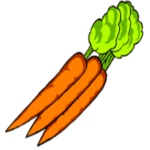
bright orange root vegetable with a crunchy texture and sweet earthy flavor, grown underground. Carrots are eaten raw in salads, cooked in stews and soups, juiced, and grated into cakes, and one of the richest sources of vitamin A in the human diet.
Radish
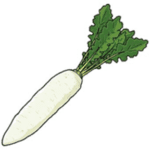
small round or long root vegetable with a peppery, slightly spicy taste, in red, white, or black varieties. Radishes are sliced into salads, pickled in Japanese and Korean cuisine, and served with butter and salt as a classic French farmhouse snack.
Beetroot
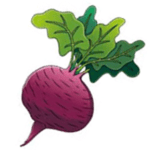
round deep red root vegetable with a sweet earthy flavor and a natural staining pigment. Beetroots are roasted, boiled, pickled, grated into salads, blended into a bright pink soup called borscht in Eastern Europe, and juiced for their nitrate content.
Turnip
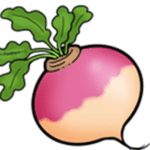
round white and purple root vegetable with a sharp, slightly bitter taste, milder in the young roots. Turnips are boiled, mashed, added to stews, and eaten across Northern Europe as a winter staple, and the green tops are also cooked as leafy vegetables.
Ginger
knobbly beige root with a sharp, warm, spicy flavor, native to Southeast Asia. Ginger is grated fresh into curries and stir-fries, brewed into tea for cough and nausea, candied into sweets, and one of the world’s oldest medicinal spices.
Tuber and Rhizome Vegetable Names
Tuber and rhizome vegetables are underground storage organs of plants, thicker than roots and packed with starch.
Potato
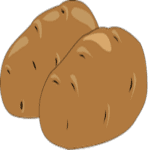
round or oval starchy tuber with brown or red skin and white flesh, grown underground worldwide. Potatoes are boiled, mashed, roasted, fried into chips and French fries, baked whole with butter, and a staple food for over 2 billion people worldwide.
Sweet Potato
long tuber with orange, purple, or white flesh and a sweet dessert-like flavor when cooked. Sweet potatoes are baked whole, mashed into pies at American Thanksgiving, roasted as fries, and higher in vitamin A than a regular potato.
Yam
large starchy tuber with rough brown bark-like skin and white or yellow flesh, native to Africa and Asia. Yams are boiled and pounded into fufu across West Africa, sliced into stews in the Caribbean, and larger than sweet potatoes but widely confused with them.
Cassava
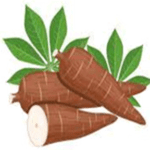
long brown-skinned tuber with white starchy flesh, native to South America and cultivated worldwide across the tropics. Cassava is boiled, fried, ground into flour for gluten-free bread, and processed into tapioca pearls used in bubble tea.
Taro Root (Colocasia)
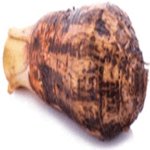
round brown-skinned tuber with white or purple-spotted flesh, native to Southeast Asia and the Pacific Islands. Taro is boiled and mashed into Hawaiian poi, added to Indian and Chinese stir-fries, and made into a lavender-colored bubble tea flavor.
Lotus Stem
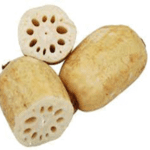
long white ridged rhizome from the lotus plant, with a crunchy texture and mild sweet flavor. Lotus stem is sliced and stir-fried in Chinese cuisine, pickled in Japanese donburi bowls, and added to Indian curries under the name kamal kakri.
Leafy Green Vegetable Names
Leafy green vegetables are the edible leaves of plants, eaten raw in salads or cooked across every world cuisine.
Spinach
dark green leafy vegetable with soft flat leaves, packed with iron, calcium, and vitamins. Spinach is eaten raw in salads, sautéed with garlic and olive oil, added to smoothies and quiches, and famously the source of Popeye’s cartoon strength.
Lettuce
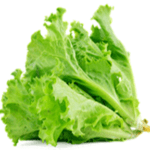
green leafy vegetable with soft or crunchy leaves, in dozens of varieties from butterhead to iceberg to romaine. Lettuce forms the base of most Western salads, wraps fillings in Korean ssam meals, and adds crunch to burgers and sandwiches worldwide.
Kale
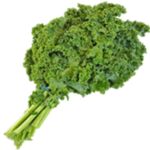
dark green curly leafy vegetable with a slightly bitter taste and tough texture, softened by cooking or massaging. Kale is added to smoothies, baked into crispy chips, sautéed as a side dish, and known as one of the most nutrient-dense vegetables on Earth.
Cabbage
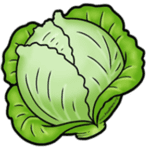
round tightly-packed leafy vegetable with green, white, or purple leaves. Cabbage is shredded into coleslaw, fermented into sauerkraut in Germany and kimchi in Korea, boiled into corned-beef dinners, and stuffed with meat and rice across Eastern Europe.
Arugula (Rocket)
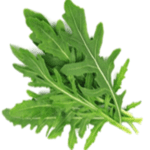
peppery small green leafy vegetable with irregular lobed leaves, native to the Mediterranean. Arugula is served in Italian salads with parmesan and lemon, added on top of pizza after baking, and known as “rocket” in British English.
Swiss Chard
dark green leafy vegetable with rainbow-colored red, yellow, or white stems and large glossy leaves. Swiss chard is sautéed with garlic, added to Italian frittatas and Middle Eastern stews, and one of the few vegetables where both leaves and stems are eaten.
Bok Choy
Chinese leafy vegetable with white crunchy stems and dark green spoon-shaped leaves. Bok choy is stir-fried with soy sauce and garlic, added to noodle soups and dumplings, and one of the most-used vegetables in Chinese and Southeast Asian cooking.
Cruciferous Vegetable Names
Cruciferous vegetables are the flowering members of the Brassica family, known for their strong flavor and health benefits.
Broccoli
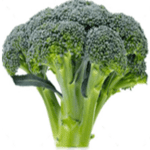
dark green flowering vegetable with a thick stalk and dense clusters of tiny buds forming a tree-like head. Broccoli is steamed as a side dish, stir-fried with garlic, added to pasta bakes, and one of the top vegetables for vitamin C and fiber.
Cauliflower
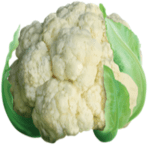
creamy-white flowering vegetable with a compact head of tightly-packed florets, from the same family as broccoli. Cauliflower is roasted whole with spices, mashed as a low-carb potato alternative, made into pizza crust, and turned into rice grains for fried rice.
Brussels Sprouts
small green cabbage-like buds grown on a tall thick stalk, one bud at each leaf joint. Brussels sprouts are roasted with olive oil and balsamic vinegar, sautéed with bacon, and one of the classic side dishes at British and American Christmas dinners.
Fruit Vegetable Names in English
Fruit vegetables are botanical fruits used as vegetables in cooking, growing from a flower and containing seeds.
Tomato
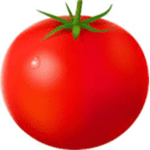
round red botanical fruit used as a vegetable in cooking, with a juicy flesh and seed-filled cavities. Tomatoes are eaten raw in salads, cooked into pasta sauce, canned as sauces and pastes, originally from South America, and one of the most-produced crops in the world.
Cucumber
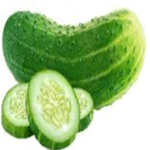
long green thin-skinned botanical fruit with a mild refreshing taste, used as a vegetable. Cucumbers are sliced into salads, pickled into gherkins and pickles, added to Greek tzatziki and Indian raita, and used in beauty products for their cooling effect.
Bell Pepper (Capsicum)
hollow bell-shaped botanical fruit in red, yellow, orange, or green, with a sweet crunchy flesh and no heat. Bell peppers are eaten raw in salads and hummus platters, roasted with olive oil, stuffed with rice and meat, and used in Mexican fajitas and Hungarian goulash.
Eggplant (Aubergine)
long or round dark purple botanical fruit with a spongy white flesh, used as a vegetable. Eggplants are roasted whole for Middle Eastern baba ghanoush, fried for Italian parmesan, cooked into Indian baingan bharta, and known as aubergine in British English.
Zucchini (Courgette)
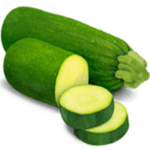
long green-skinned summer squash with a mild flavor and soft flesh, best eaten young. Zucchini is grilled, sautéed, spiralised into low-carb noodles, baked into zucchini bread, and known as courgette in British and French English.
Pumpkin
large round orange botanical fruit with thick ribbed skin and starchy sweet flesh, used as a vegetable. Pumpkins are baked into pies for American Thanksgiving, carved for Halloween, roasted with cinnamon, cooked into curries in Southeast Asia, and pressed for their nutritious seeds.
Stem and Stalk Vegetable Names
Stem and stalk vegetables are the edible above-ground stems of plants, crunchy and mild in flavor.
Asparagus
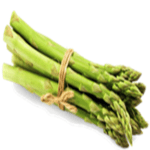
tender green spears harvested from an underground crown, with a delicate slightly grassy flavor. Asparagus is steamed and buttered, grilled with olive oil, wrapped in prosciutto, and one of the first spring vegetables of the year, in season from March to June.
Celery
long crunchy pale green stalks with wispy leaves and a fresh, slightly salty flavor. Celery is added to soup and stew bases (with onion and carrot in the French mirepoix), eaten raw with peanut butter as a snack, and juiced as a health drink.
Leek
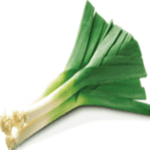
long tall bulb-and-stem vegetable from the onion family, with a mild sweet onion flavor. Leeks are added to soups (especially French vichyssoise and British leek-and-potato soup), sautéed as a side, and the national symbol of Wales worn on Saint David’s Day.
Artichoke
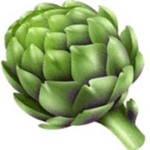
thistle-like green flower bud with tough outer leaves and a tender heart at the center. Artichokes are boiled and served with lemon-butter dipping sauce, marinated for antipasto platters, and cultivated across Italy and southern France as a spring delicacy.
Bulb Vegetable Names
Bulb vegetables are the underground onion-family plants with layered flesh and strong flavors.
Onion
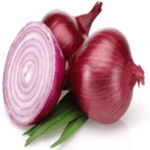
round bulb with paper-thin outer skin (white, yellow, or red) and juicy layered flesh underneath. Onions form the flavor base of nearly every world cuisine, are sautéed into caramelised sweetness, chopped raw into salads, and famously make cooks cry.
Garlic
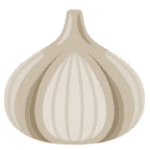
small papery-skinned bulb made up of individual cloves, with a strong pungent flavor. Garlic is crushed into pasta and stir-fries, roasted whole and spread on bread, used in Mediterranean aioli, and traditionally used to ward off vampires in Eastern European folklore.
Shallot
small copper-skinned bulb similar to a small onion, with a milder sweeter flavor. Shallots are finely diced into French salad dressings, sautéed for delicate sauces, pickled in Southeast Asia, and used where cooks want the flavor of onion without the sharpness.
Green Onion (Spring Onion)
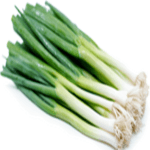
long thin bulb with a white base and long dark green hollow tops, milder than a mature onion. Green onions are sliced onto Asian noodle soups, chopped over baked potatoes and tacos, and known as scallions in some parts of America and spring onions in Britain.
Legume Vegetable Names
Legume vegetables are seeds from pods of the Fabaceae family, high in plant protein.
Peas
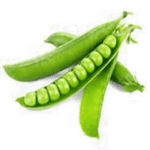
small round bright green seeds from a pod, sweet and starchy when young. Peas are boiled and buttered, added to Indian curries and Italian risotto, blended into pea soup, and eaten as fresh mange-tout in the pod for stir-fries.
Green Beans
long slim green pods with tiny seeds inside, eaten pod and all. Green beans are steamed and buttered, added to French salade niçoise, stir-fried with garlic, casseroled with fried onions at American Thanksgiving, and known as string beans in some regions.
Chickpea (Garbanzo Bean)
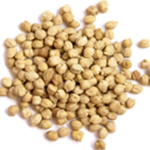
small round beige legume with a nutty flavor, from a small pod on a bushy plant. Chickpeas are blended into Middle Eastern hummus, fried into Indian street snacks, ground into gluten-free chickpea flour, and one of the earliest cultivated crops.
Fava Beans (Broad Beans)
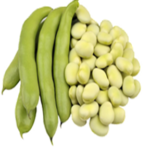
large flat green beans in a long thick pod, with a fresh nutty flavor. Fava beans are eaten fresh in Egyptian ful medames, added to Italian spring pasta dishes, dried and roasted as a snack, and one of the world’s oldest cultivated crops.
Soybeans
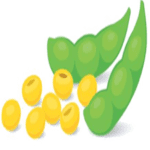
small round yellow-green legumes from the soybean plant, high in protein. Soybeans are eaten fresh as edamame, fermented into miso and soy sauce, pressed into tofu and soy milk, and one of the most-produced legumes in the world.
Gourd Vegetable Names in English
Gourd vegetables are members of the Cucurbitaceae family with thin edible skin and mild flesh, popular across Asian cuisines.
Bottle Gourd (Calabash)
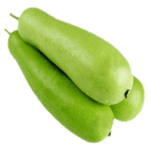
long pale green gourd with a bulbous end and a mild neutral taste. Bottle gourd is cooked into Indian curries and dals, stir-fried across Southeast Asia, and dried into hollow bowls used across Africa and South America for over 10,000 years.
Bitter Gourd (Bitter Melon)
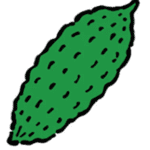
long knobbly green gourd with an intensely bitter taste, softened by salting or blanching. Bitter gourd is stuffed and fried in Indian karela dishes, stir-fried with black beans in Chinese cuisine, and consumed for its blood-sugar-lowering effect.
Snake Gourd
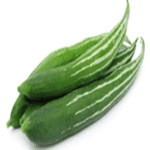
long slender green gourd that grows curled or straight, reaching over one meter long. Snake gourd is chopped into Indian coconut curries, stir-fried across Southeast Asian cuisines, and one of the strangest-looking vegetables in the tropical markets.
Ivy Gourd (Tindora)
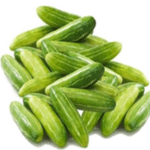
small oval green gourd with a crunchy texture, eaten young before it turns red and ripe. Ivy gourd is stir-fried with mustard seeds in South Indian curries, pickled across Southeast Asia, and added to Thai stir-fries with garlic and fish sauce.
Chayote
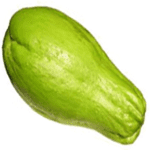
pale green pear-shaped gourd with a mild neutral flavor, native to Central America. Chayote is boiled and buttered, added to Mexican and Caribbean stews, stir-fried across Southeast Asia, and known by dozens of local names worldwide.
Squash Vegetable Names
Squash vegetables are hard-skinned Cucurbits with sweet dense flesh, eaten across autumn and winter.
Butternut Squash
large tan-skinned pear-shaped winter squash with sweet dense orange flesh. Butternut squash is roasted with maple syrup, blended into creamy soup, cubed into Moroccan tagines, and stuffed with grains for autumn dinners across North America and Europe.
Acorn Squash
small dark green ribbed winter squash shaped like a large acorn, with sweet orange-yellow flesh. Acorn squash is halved and baked with butter and brown sugar, stuffed with wild rice and cranberries, and a traditional autumn side across the United States.
Spaghetti Squash
oblong yellow-skinned winter squash whose flesh separates into pasta-like strands after baking. Spaghetti squash is roasted whole then scraped with a fork, served with marinara sauce as a low-carb pasta alternative, and popular in low-carb diet cooking.
Pod Vegetable Names
Pod vegetables are eaten pod and all, harvested young before the seeds ripen.
Okra (Lady’s Finger)
long green pod vegetable with ridged skin and a slightly sticky texture when cooked. Okra is stewed in gumbo across the American South, fried in Indian bhindi masala, cooked into Middle Eastern bamia, and eaten across Africa where it originated.
Drumstick (Moringa Pod)
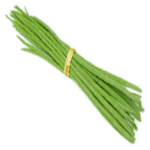
long slender green pod from the moringa tree, with edible tender flesh and seeds. Drumstick is cooked into South Indian sambar, added to Filipino tinola soup, and the tree’s leaves are the most nutrient-dense on Earth per gram.
Chili Pepper Names in English
Chili peppers are the hot fruit vegetables of the Capsicum family, from mild to face-numbingly hot on the Scoville scale.
Chili
small hot pod-shaped fruit from the Capsicum family, from mild to face-numbingly hot on the Scoville scale. Chilies are dried into powder, chopped fresh into Mexican salsas, blended into Thai curry pastes, and used to add heat to nearly every world cuisine.
Jalapeño
medium-sized dark green Mexican chili with a moderate heat and grassy flavor. Jalapeños are pickled and sliced onto nachos, stuffed with cheese for poppers, smoked into chipotle chilies, and one of the most popular chilies in American cuisine.
Cayenne Pepper
long thin red hot chili, traditionally dried and ground into a fiery red powder. Cayenne is added to Louisiana Cajun cooking, sprinkled into Indian curries, mixed into wing sauces, and rated around 30,000-50,000 on the Scoville heat scale.
Habanero
small round lantern-shaped chili in orange or red, one of the hottest common chilies with a fruity aroma. Habaneros are used in Caribbean jerk seasoning, blended into Mexican hot sauces, and rated 100,000-350,000 on the Scoville scale.
Vegetables That Look Similar
Some vegetable names cause confusion for English learners.
Fruit vs Vegetable
| Term | Meaning |
|---|---|
| Fruit | Botanical: develops from a flower with seeds inside |
| Vegetable | Culinary: any edible plant part used in savory cooking |
Some botanical fruits are used as vegetables in cooking, like tomato, cucumber, bell pepper, eggplant, zucchini, and pumpkin. They develop from a flower and contain seeds (making them fruits botanically) but are savory and eaten in main dishes (making them vegetables culinarily).
Herbs vs Vegetables
| Term | Meaning |
|---|---|
| Herb | Fresh leaves used in small amounts to add flavor and aroma |
| Vegetable | Larger edible plant parts eaten in bigger portions |
Basil, coriander, parsley, mint, and dill are herbs, not vegetables. They are eaten in tiny amounts to add flavor, while vegetables like spinach or broccoli are eaten by the plateful.
British vs American English
| British English | American English | Vegetable |
|---|---|---|
| Aubergine | Eggplant | Purple fruit vegetable |
| Courgette | Zucchini | Green summer squash |
| Coriander | Cilantro | Fresh green herb leaves |
| Rocket | Arugula | Peppery salad leaf |
| Mange-tout | Snow Peas | Flat edible pea pods |
| Capsicum | Bell Pepper | Sweet crunchy pepper |
| Spring Onion | Green Onion (Scallion) | Slim young onion |
| Swede | Rutabaga | Yellow root vegetable |
British and American English use different names for many everyday vegetables. Both are correct in their region.
Sweet Potato vs Yam
| Term | Meaning |
|---|---|
| Sweet Potato | Long tuber with orange flesh (mislabeled as “yam” in the USA) |
| Yam | Large starchy tuber with rough bark-like skin, native to Africa and Asia |
Sweet potatoes and yams are two different plants. Americans call orange-fleshed sweet potatoes “yams” at Thanksgiving, but true yams are much larger, drier, and starchier.
Squash vs Pumpkin vs Gourd
| Term | Meaning |
|---|---|
| Squash | Any fleshy fruit of the Cucurbita family, eaten as vegetable |
| Pumpkin | Large round orange squash used for carving and pies |
| Gourd | Any Cucurbit fruit with a hard shell, some eaten and some dried for containers |
Every pumpkin is a squash, and both are types of gourds. Gourds are the broadest term; squashes are eaten; pumpkins are the classic orange autumn squash.
FAQs
Q1. What are the main categories of vegetables in English?
The main categories of vegetables in English are named by which part of the plant is eaten. The 12 categories are root vegetables (carrot, radish), tuber and rhizome vegetables (potato, yam), leafy greens (spinach, kale), cruciferous vegetables (broccoli, cauliflower), fruit vegetables (tomato, cucumber), stem and stalk vegetables (celery, asparagus), bulb vegetables (onion, garlic), legume vegetables (peas, beans), gourds (bottle gourd, bitter gourd), squashes (butternut), pod vegetables (okra), and chili peppers (jalapeño, habanero).
Q2. Is a tomato a fruit or vegetable?
A tomato is botanically a fruit because it develops from a flower with seeds inside, but is treated as a vegetable in cooking because it is savory and used in main dishes rather than desserts. The same is true for cucumber, bell pepper, eggplant, zucchini, and pumpkin: all botanical fruits used as vegetables in cooking.
Q3. What is the difference between fruits and vegetables?
Botanically, a fruit develops from the flower of a plant with the seeds inside, while a vegetable is any other edible plant part (root, leaf, stem, bulb, or flower bud). Culinarily, fruits taste sweet and are eaten in desserts or as snacks, while vegetables are savory and used in main courses. Tomato, cucumber, and pumpkin are botanical fruits but culinary vegetables.
Q4. What is the difference between herbs and vegetables?
Herbs are the fresh green leaves of small aromatic plants (basil, coriander, mint, parsley), used in tiny amounts to add flavor and aroma to food. Vegetables are larger edible plant parts eaten in bigger portions as the main content of a dish (spinach, broccoli, cabbage). You measure herbs in tablespoons, but vegetables in cups.
Q5. What are British and American names for vegetables?
British and American English use different names for many everyday vegetables: aubergine (UK) vs eggplant (US), courgette (UK) vs zucchini (US), coriander (UK) vs cilantro (US), rocket (UK) vs arugula (US), mange-tout (UK) vs snow peas (US), capsicum (UK and Australia) vs bell pepper (US), spring onion (UK) vs scallion (US), and swede (UK) vs rutabaga (US). Both names are correct.
Q6. What are the healthiest vegetables to eat daily?
The healthiest vegetables to eat daily are spinach and kale (leafy greens with iron, calcium, and vitamins), broccoli and cauliflower (cruciferous, rich in vitamin C and fiber), carrots (beta-carotene for eye health), sweet potato (vitamin A and complex carbs), garlic (immune boost), and beetroot (nitrates for blood pressure). A daily plate with three or four vegetables meets most nutrient needs.

Leave a Comment